Source ectoin prickly heat relief gel for Skin Care, Baby Care, and Sunburn Relief
Compare 30 verified suppliers offering ectoin prickly heat relief gel with customizable packaging and certifications like CE and ISO13485. Buyers can evaluate MOQs ranging from 10 to 30,000 units and lead times for mass production; compare the available evidence and request quotations based on your requirements.
Key considerations
Products List


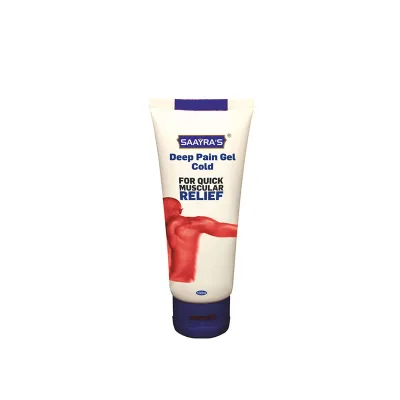


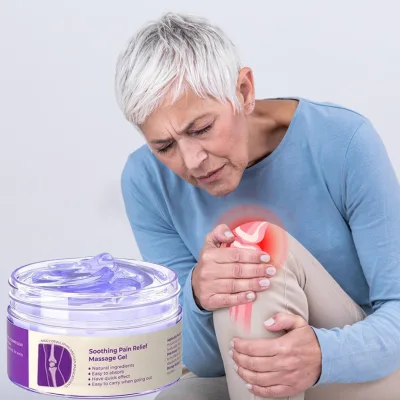


Comprehensive Sourcing Guide
Ectoin Prickly Heat Relief Gel Sourcing Guide
Sourcing ectoin-based prickly heat relief gel requires a nuanced understanding of both the active ingredient’s efficacy and the specific formulation challenges associated with topical thermal relief products. Ectoin is a high-value extremolyte known for its cellular protection and hydration properties, making it a premium choice for soothing irritated skin caused by heat rash. Buyers must distinguish between genuine ectoin formulations and those using lower-cost alternatives, as the concentration directly impacts the product’s therapeutic value and market positioning. This guide provides a structured approach to evaluating suppliers, verifying technical specifications, and ensuring compliance with international safety standards for personal care and medical-grade topical gels.
The procurement process for this specialized gel involves navigating a complex supply chain that includes raw material sourcing, formulation stability testing, and packaging integrity verification. Unlike standard lotions, relief gels often require specific viscosity profiles and cooling agent synergies to deliver immediate symptomatic relief. Procurement teams must establish clear quality benchmarks early in the negotiation phase to avoid discrepancies between sample performance and mass production batches. By focusing on evidence-based supplier evaluation and rigorous documentation review, buyers can mitigate risks associated with product efficacy, regulatory non-compliance, and supply chain disruptions in the competitive personal care market.
Product Scope and Observed Listing Signals
The current market landscape for ectoin prickly heat relief gel reveals a diverse range of product offerings, with observed price points varying significantly based on formulation complexity and brand positioning. Listings indicate a broad price spectrum, suggesting that buyers can find options ranging from budget-friendly generic formulations to premium, clinically validated products. It is crucial to analyze these price signals in conjunction with minimum order quantities (MOQs), which typically range from small trial orders to large-scale industrial volumes. Understanding these commercial signals helps buyers align their procurement strategy with their target market’s price sensitivity and volume requirements, ensuring that cost structures support healthy margins without compromising on ingredient quality.
Observed listing attributes often highlight key differentiators such as customization capabilities, logo printing options, and specific packaging formats. Many suppliers offer OEM/ODM services, allowing brands to tailor the gel’s texture, scent, and packaging to their unique identity. However, buyers should be cautious of vague claims regarding "customization" and verify the actual scope of these services, including minimum thresholds for custom formulations versus standard white-label options. The presence of eco-friendly or recyclable packaging claims also reflects growing consumer demand for sustainable personal care products, requiring buyers to assess the supplier’s ability to meet these environmental standards without increasing production costs or lead times.
Technical Specifications to Verify
Verifying the technical specifications of ectoin prickly heat relief gel is paramount to ensuring product efficacy and consumer safety. Buyers must request detailed ingredient lists to confirm the actual concentration of ectoin and the presence of complementary soothing agents such as menthol, aloe vera, or chamomile. The gel’s viscosity, pH balance, and stability under various temperature conditions are critical factors that influence shelf life and user experience. Suppliers should provide stability testing data to demonstrate that the formulation remains consistent and effective over its intended shelf life, particularly when subjected to heat or cold stress during transportation and storage.
Packaging specifications also play a vital role in preserving the integrity of the gel. Buyers should verify the material compatibility between the gel formulation and the packaging container to prevent chemical interactions or degradation. Common packaging formats include tubes, pumps, and jars, each with distinct advantages regarding user convenience and product preservation. Additionally, the labeling must clearly indicate usage instructions, warnings, and batch numbers for traceability. Ensuring that the packaging meets regional regulatory requirements for labeling and material safety is essential to avoid customs delays or product recalls in target markets.
Compliance and Safety Documentation
Compliance with international safety and regulatory standards is non-negotiable for ectoin prickly heat relief gel, given its direct contact with human skin. Buyers must ensure that suppliers possess valid certifications such as ISO 13485 for medical device manufacturing or ISO 22716 for cosmetic good manufacturing practices, depending on the product’s classification. Documentation should include a Certificate of Analysis (CoA) for each batch, verifying the purity of ectoin and the absence of harmful contaminants like heavy metals, microbes, or residual solvents. These documents provide objective evidence of quality control and help buyers maintain compliance with local health authority regulations.
Furthermore, suppliers should provide Safety Data Sheets (SDS) and Material Safety Data Sheets (MSDS) that detail the chemical composition and handling precautions. For products marketed with specific therapeutic claims, additional clinical testing data or dermatological testing reports may be required to substantiate efficacy and safety. Buyers should also verify that the supplier adheres to relevant regional standards, such as REACH in Europe or FDA guidelines in the United States, to ensure smooth market entry. Requesting these documents early in the sourcing process helps identify potential compliance gaps and ensures that the final product meets all legal and safety requirements.
Cost Drivers and Commercial Terms
The cost structure of ectoin prickly heat relief gel is influenced by several key drivers, including the price of raw ectoin, formulation complexity, packaging materials, and order volume. Ectoin is a high-value ingredient, and its concentration significantly impacts the final product cost. Buyers should negotiate transparent pricing models that break down raw material, manufacturing, and packaging costs to understand the true value proposition. Additionally, the choice of packaging, such as premium tubes versus standard jars, can affect unit costs and should be evaluated against the target market’s preferences and willingness to pay.
Commercial terms, including minimum order quantities (MOQs), payment terms, and lead times, are critical components of the procurement agreement. Suppliers may offer flexible MOQs for trial orders but require larger volumes for custom formulations or specific packaging runs. Buyers should clarify lead times for both sample production and mass manufacturing, as delays can impact inventory planning and market launch schedules. Negotiating favorable payment terms, such as partial upfront payments and balance upon shipment, can help manage cash flow and reduce financial risk. Clear communication regarding these terms ensures a smooth transaction and aligns expectations between buyer and supplier.
Supplier Qualification and Quality Control
Supplier qualification is a critical step in mitigating risks associated with ectoin prickly heat relief gel procurement. Buyers should conduct thorough due diligence, including factory audits and verification of quality management systems. Audits should assess the supplier’s production capabilities, hygiene standards, and quality control processes to ensure consistent product quality. Suppliers with a history of successful exports and positive client references are generally more reliable, but buyers should verify these claims through independent channels or third-party inspection services. Establishing a strong relationship with a qualified supplier fosters trust and facilitates smoother communication throughout the procurement lifecycle.
Quality control measures must be integrated into the production process to ensure that every batch meets the agreed-upon specifications. Buyers should implement incoming quality inspections for raw materials and final product testing before shipment. Defining clear acceptance criteria for parameters such as viscosity, pH, and active ingredient concentration helps prevent the receipt of substandard goods. Additionally, establishing a protocol for handling non-conforming products, including returns or replacements, protects the buyer from financial losses. Regular quality reviews and feedback loops with the supplier enable continuous improvement and ensure that the product remains competitive and compliant in the market.
Long-Term Procurement Checks
Long-term procurement success for ectoin prickly heat relief gel requires ongoing monitoring and relationship management. Buyers should regularly review supplier performance metrics, including on-time delivery rates, product quality consistency, and responsiveness to issues. Establishing key performance indicators (KPIs) helps track these metrics objectively and identifies areas for improvement. Regular communication with the supplier, including periodic business reviews, fosters collaboration and allows for proactive problem-solving. Building a partnership rather than a transactional relationship can lead to better pricing, priority production slots, and access to new product innovations.
Market trends and regulatory changes also necessitate continuous adaptation in procurement strategies. Buyers should stay informed about advancements in ectoin technology, emerging competitors, and shifts in consumer preferences for natural or sustainable personal care products. Periodic re-evaluation of the supplier base ensures that the company remains competitive and resilient to supply chain disruptions. Diversifying suppliers for critical components or raw materials can mitigate risks associated with single-source dependencies. By maintaining a strategic and agile approach to procurement, buyers can secure a reliable supply of high-quality ectoin prickly heat relief gel that meets evolving market demands.
FAQs
What certifications do the products hold?
The products hold CE, ISO13485, and FDA certifications. Additional certificates include Reach, En71, and MSDS. These ensure compliance with international safety and quality standards for medical and therapeutic supplies.
Can I request custom logo printing?
Yes, custom logo printing is available for these items. Options include silk printing and offset printing. Buyers can also choose customized packaging to meet specific branding requirements for their products.
What is the minimum order quantity?
The minimum order quantity varies by product type. Some items require 500 units while others start at 1000 pieces. Specific MOQs depend on the model and customization level selected by the buyer.
How long does delivery take?
Mass production delivery takes between 15 to 45 days after pre-production. Sample lead times range from 3 to 15 days. Exact timing depends on order volume and specific product configuration requirements.
Are the products recyclable and eco-friendly?
Yes, the products are designed to be recyclable and eco-friendly. They feature no side effects and are suitable for indoor and outdoor applications. This ensures safety for users and the environment.
What is the product origin location?
The products originate from Shanghai, China. Some listings also specify China as the general origin. This location supports the manufacturing and export of various surgical supplies and therapeutic heat packs.
Is the product disposable or reusable?
The product is non-disposable and designed for reuse. It functions as a hot cold pack or heat pack for shoulder and neck therapy. This durability supports long-term rehabilitation therapy applications.